The Power of Forgiveness
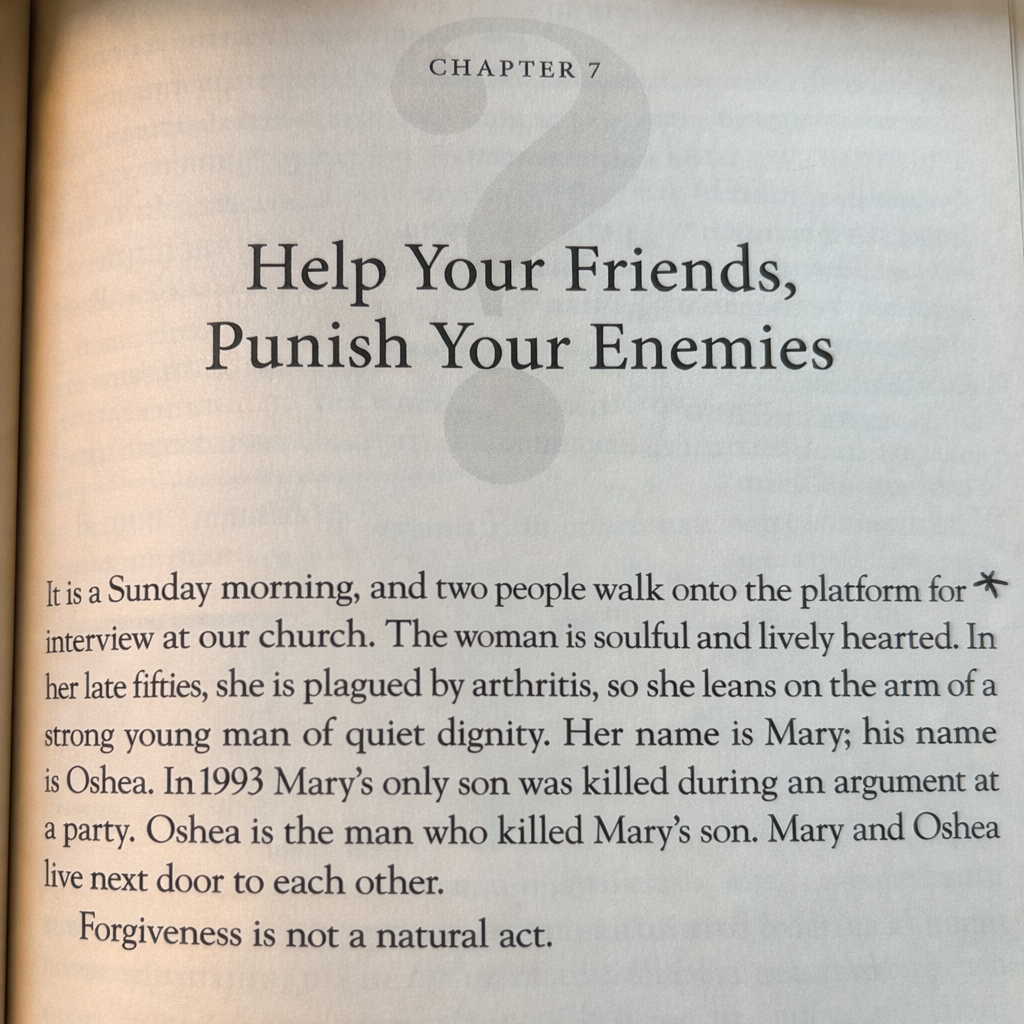
On a Sunday morning at a church service, a woman named Mary slowly walked onto the platform, leaning on the arm of a young man named Oshea. Mary was in her late fifties and struggled with arthritis, but there was a deeper story behind why the two stood together.
Years earlier, in 1993, Mary’s only son was killed during an argument at a party. The young man responsible was Oshea — the same man now helping her walk.
For many people, forgiveness would feel impossible in a situation like this. And for Mary, it did not come easily.
After her son’s death, Mary tried to do what she believed was the right thing. As a woman of faith, she told the court that she forgave the young man who had taken her son’s life. At the time, she meant it. But as the years passed, she realized that deep inside she was still carrying bitterness and resentment.
The pain lingered. People around her encouraged her to move on, but grief does not simply disappear on command.
One day Mary came across a poem imagining a conversation in heaven between two mothers. One was the mother of Jesus. The other revealed that her son was Judas Iscariot. The poem ended there, but the idea struck Mary deeply: both mothers had experienced unimaginable loss connected to their sons.
That moment became a turning point.
Mary began to feel called to help mothers of murder victims and the mothers of those who had taken lives come together to find healing. But before she could help others, she knew she needed to confront her own pain.
Twelve years after her son’s death, Mary contacted a restorative justice program through the Department of Corrections. She asked if it might be possible to meet the man who killed her son.
Oshea was hesitant. After spending years in prison, he could not imagine why the victim’s mother would want to see him. At first he refused. But after many months, something in him changed and he agreed.
When the day came, Mary almost turned back. She later said that if a friend had not encouraged her to keep walking toward the meeting room, she might have gone home.
When they finally met, Mary began simply:
“I don’t know you. You don’t know me. Let’s start there.”
That willingness to understand rather than judge opened the door for a long and honest conversation.
At the end of their first meeting, Oshea asked if he could hug her.
When he wrapped his arms around her, Mary broke down in tears. For Oshea, the moment was terrifying — he had spent years surrounded by hardened criminals, yet this simple act of vulnerability felt far more difficult.
But that moment began something neither of them expected: a relationship.
They talked often. Mary listened to his story, and Oshea began to confront the reality of what he had done.
Years later, when Oshea was released from prison, Mary even helped organize a small celebration welcoming him back into the community. Eventually she invited him to move into the apartment next to hers.
Today they live as neighbors.
Oshea often says that when he feels discouraged or doubts his future, he looks at Mary and remembers that she gave him another chance at life. And if she could offer that kind of grace, he can learn to extend grace to himself and others.
Forgiveness is often described as a way for victims to release their pain. And it is that. But sometimes it becomes something even greater.
Through an extraordinary act of forgiveness, two lives that were once connected by tragedy became connected by healing.
What began as an enemy relationship became a neighborly one — echoing the ancient call to love both our neighbors and even our enemies.
Just like Jesus loves you.
Credit: Adapted from the story of Mary Johnson and Oshea Israel shared in Who Is This Man? by John Ortberg.
BEFORE YOU READ TODAY’S PASSAGE…
GIVE THANKS: Think about one (or five) things you are thankful for in your life. Like this.
STOP: Lord, where is my heart today?
LOOK: Lord, help me discover new truth from your Word today. Enduring Word Commentary
LISTEN: Lord, what is your thought for me today from your Word?
“Do not judge others, and you will not be judged. Do not condemn others, or it will all come back against you. Forgive others, and you will be forgiven. Give, and you will receive. Your gift will return to you in full—pressed down, shaken together to make room for more, running over, and poured into your lap. The amount you give will determine the amount you get back.”
Luke 6:37-38 NLT
RESPOND:
Lord, what do I need to talk with You about?
Lord, what are you asking me to do?
* STOP, LOOK, LISTEN, RESPOND from Navigator Church Ministry booklet, The Invitation. Read More.